CRM
Salesforce
Customer Relationship Management — the backbone of modern sales operations.
CRM Overview
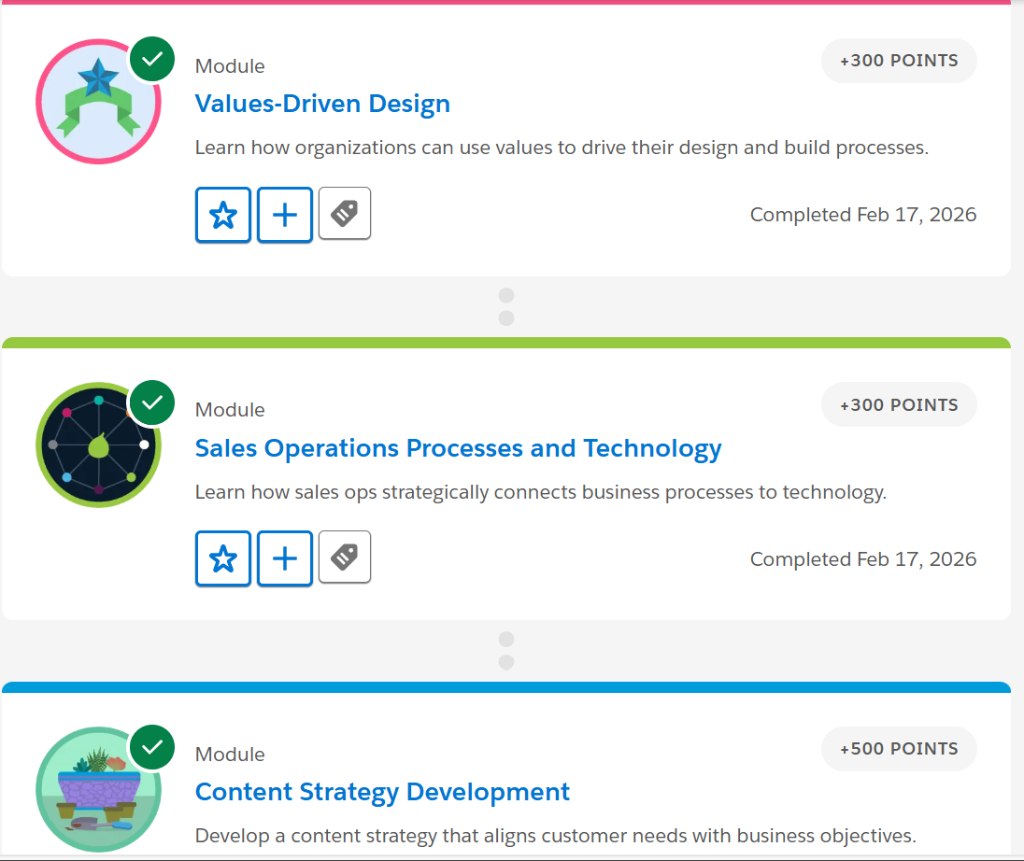
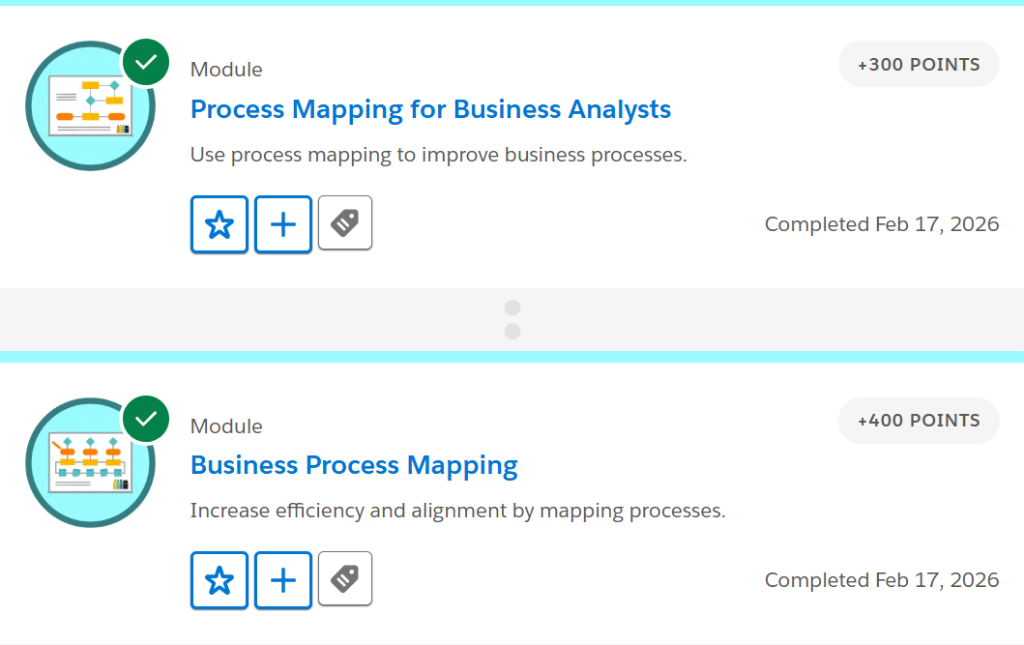
Customer Relationship Management systems are the operational backbone of any modern sales organization. At its core, a CRM like Salesforce consolidates every customer interaction — calls, emails, deals, service tickets — into a single, shared platform accessible by the entire team. Salesforce goes beyond simple contact storage: it enables revenue forecasting, pipeline management, workflow automation, and detailed analytics that help businesses make proactive decisions rather than reactive ones. For a Finance or Sales professional, Salesforce is the difference between managing relationships from memory and scattered notes versus having full, real-time visibility into every opportunity, follow-up, and client touchpoint. Completing the Salesforce Trailhead modules gave me hands-on experience with the platform's CRM fundamentals, sales operations processes, and the technology that drives modern sales cycles.
Reflection
What stood out to me most in the modules was how much Salesforce does beyond just storing data. The automation features alone — things like triggered follow-up emails, task assignments, and pipeline alerts — remove a significant amount of manual work from sales and service teams. That means fewer things fall through the cracks and more time gets spent on actually building customer relationships rather than managing spreadsheets about them.
The Trailhead learning experience itself was also worth noting. The platform makes it genuinely easy to learn by doing — each module walks you through real scenarios inside a live Salesforce environment rather than just presenting information. By the end, I had hands-on experience navigating a CRM that shows up in job postings across finance, consulting, sales operations, and beyond. For anyone entering a business role, understanding how Salesforce works is quickly becoming a baseline expectation rather than a bonus skill.

